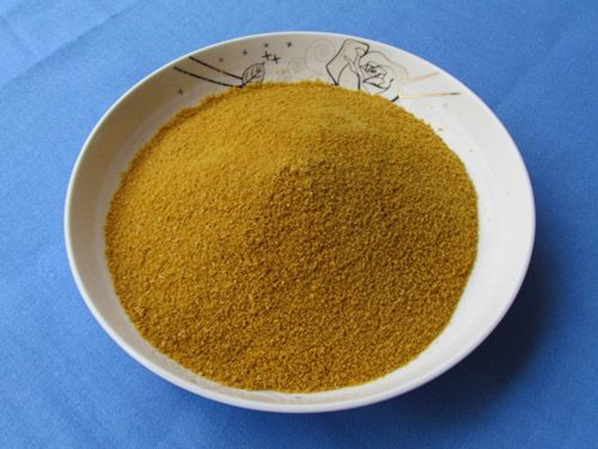
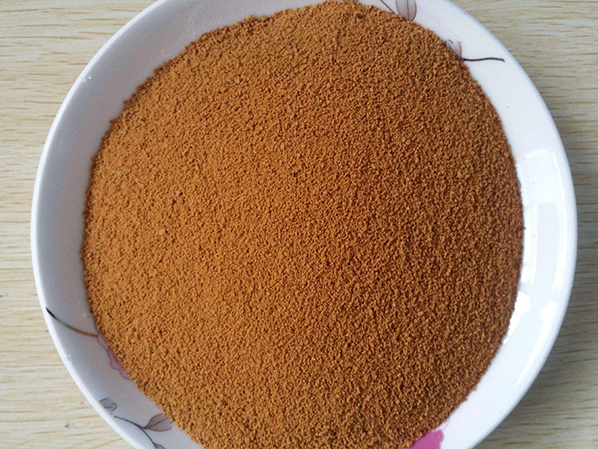
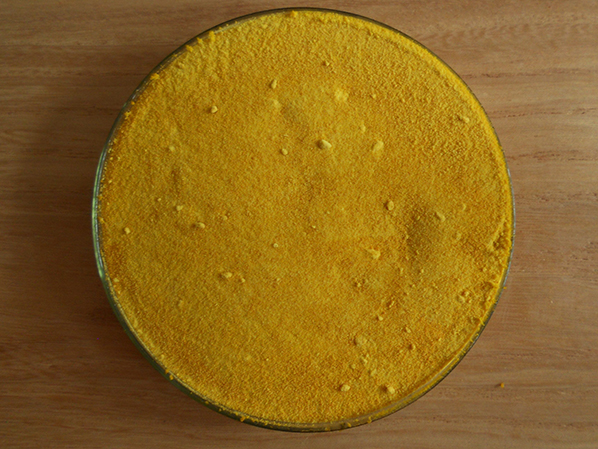
Nonionic polyacrylamides are water-soluble high molecular polymers. According to the molecular chain containing a certain number of polar groups, by adsorbing suspended solid particles in water, the particles are bridged or neutralized by charges to cause the particles to aggregate to form large flocs. Therefore, it can accelerate the sedimentation of particles in the suspension, and has a very obvious effect of accelerating the clarification of the solution and promoting filtration. It is mainly used for flocculation and sedimentation of various industrial wastewaters and precipitation clarification treatment. Such as paper and pulp wastewater wastewater treatment, wastewater treatment in mineral processing and metal smelting processes, wastewater treatment in steel plants and stone processing plants.
Non-ionic polyacrylamide product performance indicators:
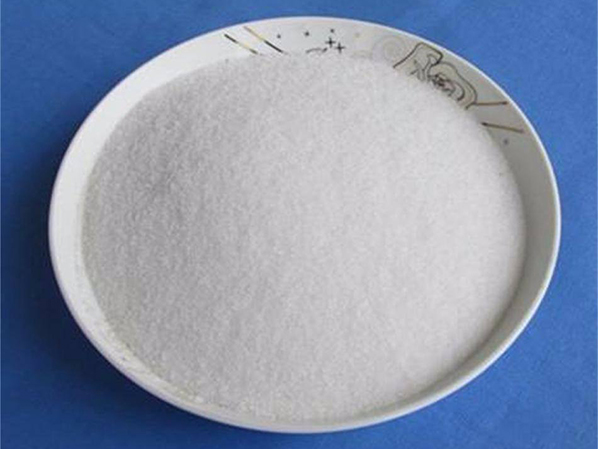
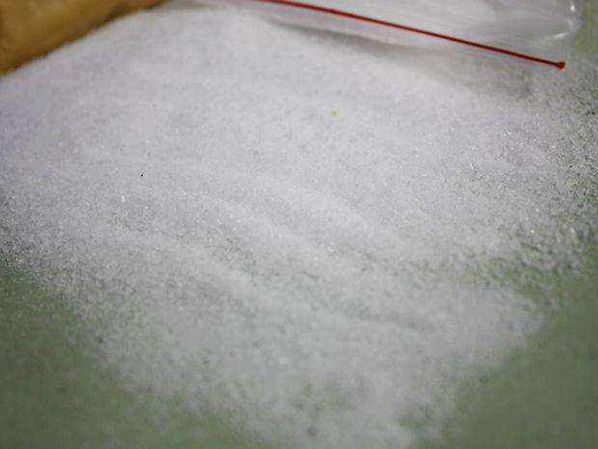
※ Appearance: white granules or powder
※ Solid content: ≥99.8%
※ Molecular weight: 800-15 million
※ Load density: < 5.0 (Mole %)
※ Dissolution time: ≤ 30 minutes
※ Aqueous solution viscosity (0.1% SOL): 300 ~ 550 ( CPS)
※ Residual monomer (monomer): 0.2% or less
Non-ionic polyacrylamide product features
1, good water solubility, can be completely dissolved in cold water 4 ° C ~ 5 ° C.
2, adding a small amount of non-ionic polyacrylamide, you can get a great flocculation effect. Generally, only 0.01~10ppm (0.01~10g/m3) can be added to fully function.
3. Simultaneous use of nonionic polyacrylamide and inorganic flocculant (polyferric sulfate, polyaluminum chloride, iron salt, etc.) can show greater effects.
The advantages of nonionic polyacrylamide are mainly used as flocculants. Since the molecular chain contains a certain amount of polar genes, it can adsorb suspended solid particles in water, and bridge the particles to form large flocs. Non-ionic polyacrylamide can accelerate the sedimentation of particles in the suspension, and has obvious effects of accelerating the clarification of the solution and promoting filtration. It is widely used in the treatment of chemical industrial wastewater, waste liquid, and municipal sewage treatment. Especially when the sewage is acidic, it is possible to use this product. It can be used together with inorganic flocculant such as poly-iron or poly-aluminum.
Non-ionic polyacrylamide use:
1. When used, it is formulated into a 0.1% aqueous solution, and it is preferred to use neutral water containing no salty impurities.
2. When dissolving, spread the non-ionic polyacrylamide evenly into the stirred water and control the stirring speed at 100~300rpm. Proper heating (< 60 ° C) accelerates dissolution.
3. Adjust the pH of the treated liquid to make the non-ionic polyacrylamide fully function (select the optimum pH value and the amount of non-ionic polyacrylamide by experiment).
4. When adding non-ionic polyacrylamide solution, it should accelerate the mixing with the treated liquid. After the flocculation occurs, slow the stirring speed to facilitate the growth of floc and accelerate the sedimentation.
Non-ionic polyacrylamide applications:
1. As a flocculant, it is mainly used in industrial solid-liquid separation process, including sedimentation, clarification, concentration and sludge dewatering. The main industries used are: urban sewage treatment, paper industry, food processing industry, petrochemical industry, Wastewater treatment in the metallurgical industry, the beneficiation industry, the dyeing industry and the sugar industry and various industries.
2. It can be used as paper dry strength agent, retention aid and filter aid in the paper industry, which can greatly improve the quality of paper formation, save costs and improve the production capacity of paper mills. It can directly bridge the inorganic salt ions, fibers and other organic polymers to enhance the physical strength of the paper, reduce the loss of fibers or fillers, speed up the filtration, enhance, retain and filter, and can also be used The treatment of white water, at the same time, can have a significant flocculation effect during the deinking process.
3. In the fiber slurry (asbestos-cement product), the asbestos-cement product can be improved in drainage, and the strength of the asbestos board material can be improved; in the insulating board, the bonding ability of the additive and the fiber can be improved.
4. It can be used as clarifying agent for mine wastewater and coal washing wastewater in mining and coal preparation industry.
5. It can be used for the treatment of dyeing wastewater, leather wastewater and oily wastewater to remove turbidity and decolorization to meet emission standards.
6. In the purification of phosphoric acid, it helps to separate the gypsum in the wet process phosphoric acid process.
7. Water treatment flocculant used in waterworks of rivers and rivers.
Molecular weight compounding of nonionic polyacrylamide
1. Before use, it is necessary to determine the optimum dosage by experiment. The dosage is too low, it does not work, and the dosage is too high, but it is counterproductive. This is because, above a certain concentration, PAM not only does not flocculate, but acts as a dispersion stabilizer.
2. Non-ionic PAM is used as a highly selective flocculant in low solids drilling muds using bentonite because it can flocculate the drilled debris and keep the bentonite dispersed.
3. Use a lower concentration when dosing to ensure even mixing.
4. The non-ionic PAM forms a bridge by absorbing and entangles many fine particles or oil beads in the sewage through the long chain of the polymer. It is a very flocculating flocculating agent with a faster flocculation rate than anionic PAM. When used in the oily wastewater treatment of oil fields, it is usually used in combination with aluminum salts.



 phone:
 Cellphone:
 Q Q:
Q Q:
 Mailbox:
 Address: