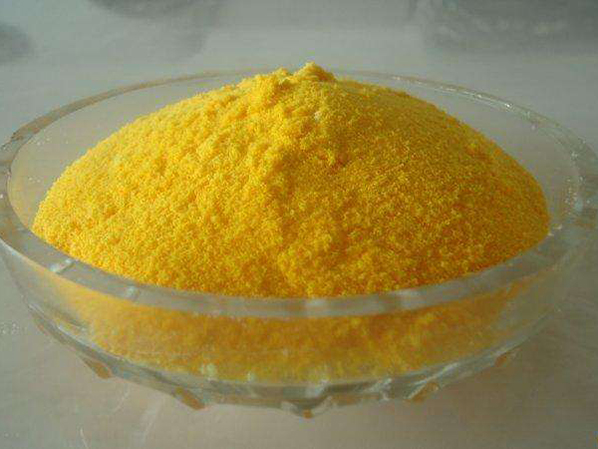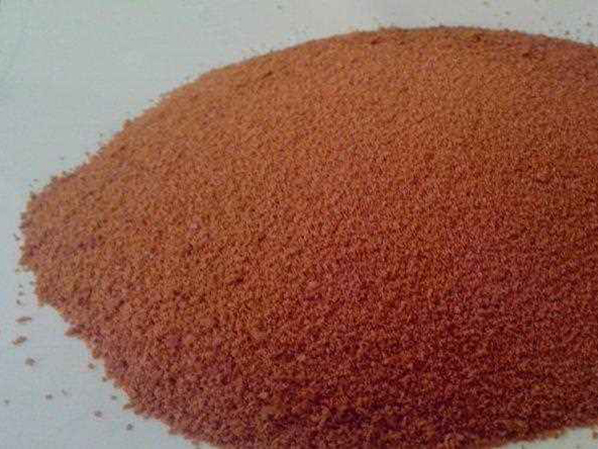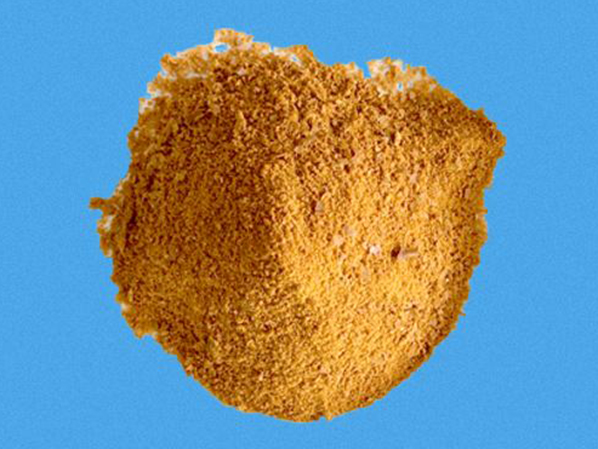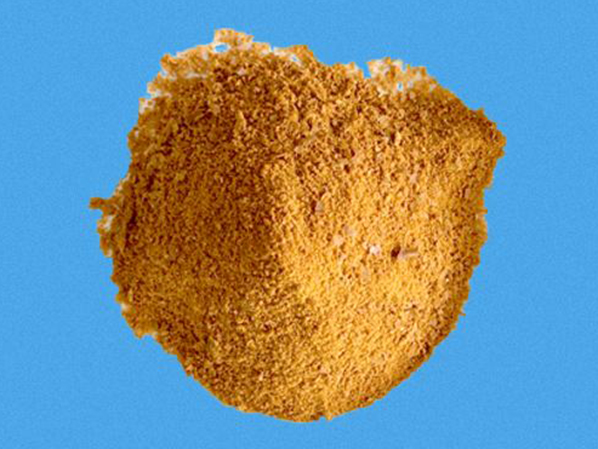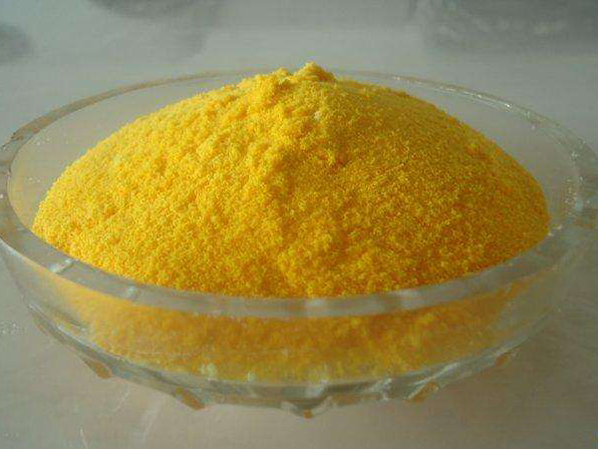
Polyaluminum chloride has strong bridging properties and it is accompanied by physical and chemical processes such as coagulation adsorption and precipitation during the hydrolysis process. Polyaluminium chloride is abbreviated as PAC. Al…
【More】
Polyaluminum chloride has strong bridging properties, and it is accompanied by physical and chemical processes such as coagulation, adsorption and precipitation during the hydrolysis process. Polyaluminium chloride is abbreviated as PAC. Al…
【More】
Polyaluminum chloride has strong bridging properties, and it is accompanied by physical and chemical processes such as coagulation, adsorption and precipitation during the hydrolysis process. Polyaluminium chloride is abbreviated as PAC. Al…
【More】
Polyaluminum chloride has strong bridging properties, and it is accompanied by physical and chemical processes such as coagulation, adsorption and precipitation during the hydrolysis process. Polyaluminium chloride is abbreviated as PAC. Al…
【More】
Polyaluminum chloride has strong bridging properties, and it is accompanied by physical and chemical processes such as coagulation, adsorption and precipitation during the hydrolysis process. Polyaluminium chloride is abbreviated as PAC. Al…
【More】
Polyaluminum chloride has strong bridging properties, and it is accompanied by physical and chemical processes such as coagulation, adsorption and precipitation during the hydrolysis process. Polyaluminium chloride is abbreviated as PAC. Al…
【More】